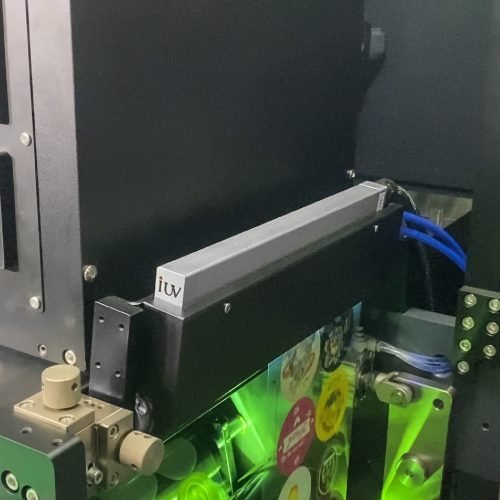
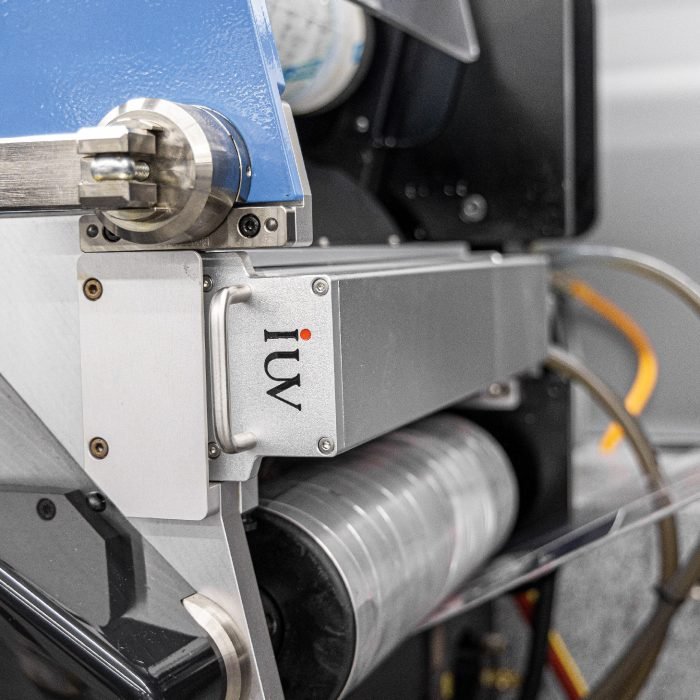
Let’s talk about achieving that perfect brillance, ensuring impeccable adhérence, and hitting that precise densité with low-migration inks in flexographic printing using LED UV curing. This is where science meets artistry, and the results can be truly stunning.
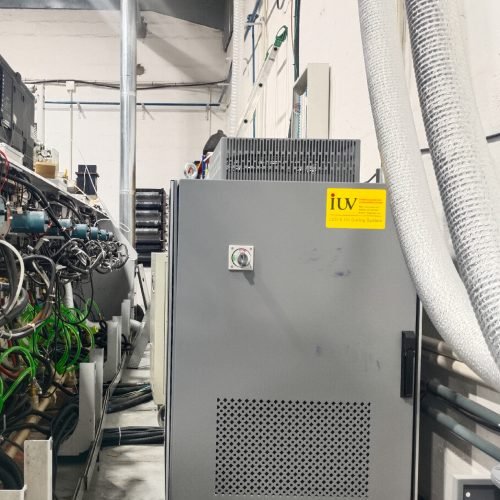
When we talk about flexography, especially for narrow-web applications like labels, we’re often aiming for both speed and exceptional print quality. The introduction of LED UV curing has been a game-changer in this arena. Gone are the days of heat-intensive, ozone-producing mercury lamps. LED UV systems offer a cooler, more energy-efficient, and environmentally friendlier way to instantly cure inks. This is particularly crucial for low-migration inks, which are designed to minimize the risk of ink components migrating into packaged food or sensitive products.
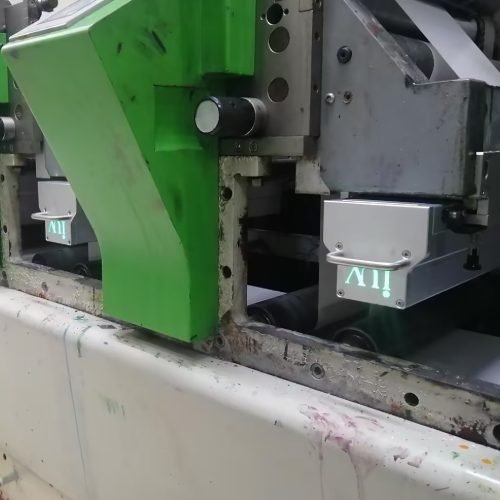
The magic of LED UV curing lies in its specific wavelengths. These wavelengths are precisely matched to the photoinitiators within the ink formulation. When exposed to the LED light, these photoinitiators trigger a rapid polymerization process, essentially turning the liquid ink into a solid, cross-linked film almost instantaneously. This speed is paramount in narrow-web flexo, where press speeds can be incredibly high. It means you can print, cure, and rewind without delay, significantly boosting productivity.
Now, let’s focus on those critical elements: brillance, adhérence, and densité.
Brillance (Gloss): Achieving a high level of gloss is often desired for labels, making them pop off the shelf. With LED UV, the rapid and efficient curing helps to maintain the ink’s surface integrity. A thorough cure means the resin components are fully cross-linked, creating a smoother surface that reflects light more uniformly, thus enhancing gloss. The type of varnish and its formulation also play a significant role here, but the curing process is the foundation. The right LED spectrum, power, and exposure time ensure the ink doesn’t remain tacky or unevenly cured, which would dull the finish.
Adhérence (Adhesion): This is non-negotiable, especially for labels that will be exposed to various environmental conditions or handling. Low-migration inks are formulated for specific substrates, and the curing process is key to unlocking their full adhesive potential. LED UV curing’s efficient energy transfer ensures deep and thorough cross-linking throughout the ink film. This robust cross-linking creates strong bonds between the ink and the substrate, as well as within the ink film itself. A partial cure, often a risk with older curing technologies or improper setup, can lead to poor adhesion, scuffing, or even delamination. For challenging substrates like certain plastics or foils, ensuring complete curing with the correct LED wavelength and intensity is vital for long-lasting adhesion.
Densité (Density): This refers to the richness and opacity of the printed color. To achieve a high density, especially with spot colors or when printing opaque whites, the ink needs to lay down a substantial film and cure effectively without spreading or losing its definition. LED UV curing’s speed helps to “freeze” the ink in place, preventing excessive dot gain or ink spread. This means you can achieve sharper dots and more solid areas, leading to higher color density and a more vibrant print. The correct ink viscosity, anilox roll selection, and plate technology all contribute to laying down the right amount of ink, while the LED curing ensures that ink is properly solidified to deliver that punchy density.
When it comes to low-migration inks, the stakes are even higher. These inks are specifically designed for food packaging, pharmaceutical labels, and other sensitive applications where ink components must not transfer to the product. The curing process is critical for ensuring that any unreacted monomers or oligomers are minimized. LED UV systems, with their precise control over wavelength and intensity, can be tuned to optimize the cure for these specialized ink systems. A complete cure renders the ink inert, ensuring it stays put and doesn’t pose any migration risks. This is where meticulous process control – from ink formulation to energy output – becomes paramount.
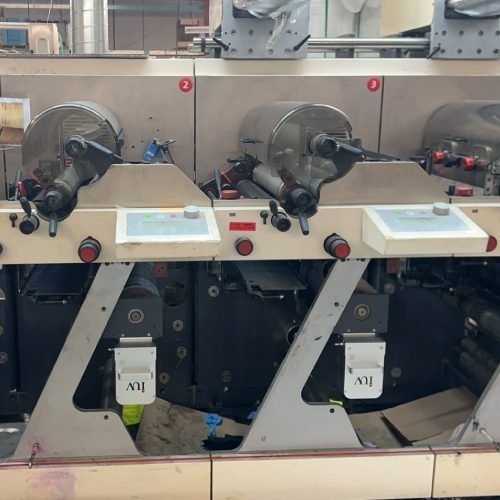
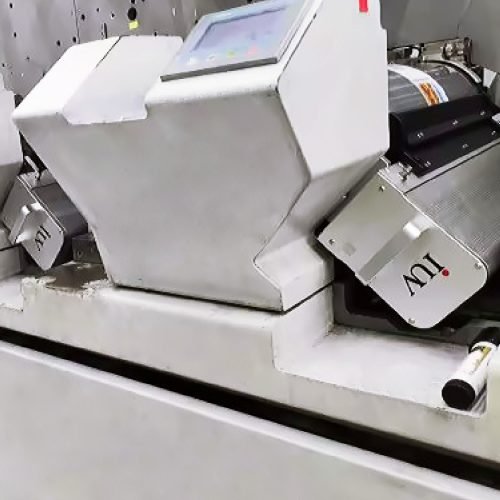
The flexographic process, with its inherent flexibility and suitability for various substrates, is perfectly complemented by LED UV technology. For narrow-web printing, where space and speed are at a premium, LED UV offers significant advantages. It allows for compact press designs, as the curing units are much smaller than traditional UV systems. Furthermore, the instant on/off capability of LEDs means no warm-up time is needed, and energy is only consumed when the lamps are actually firing, leading to substantial cost savings.
Comparing this to offset printing (lithography), while offset can also utilize UV curing, flexography, especially for labels and flexible packaging, often offers advantages in terms of substrate versatility and cost-effectiveness for shorter runs. The anilox roll transfer in flexo allows for precise ink film thickness control, which is beneficial for achieving consistent density and coverage, especially with LED curing.
For those involved in label printing, the market demands constant innovation. Consumers expect visually appealing labels that also convey safety and quality. The combination of flexography and LED UV curing, with a focus on low-migration inks, allows printers to meet these demands by delivering high-quality, safe, and vibrant labels that are produced efficiently.
To truly master brillance, adhérence, and densité with LED UV and low-migration inks, several factors need careful consideration:
- Ink Formulation: The ink must be specifically designed for LED UV curing and the intended substrate.
- Substrate: The surface energy and porosity of the substrate will impact ink adhesion. Primers or specialized coatings might be necessary.
- Anilox Roll: The volume and line screen of the anilox determine the ink film thickness.
- Printing Plates: The plate material and geometry affect ink transfer and dot reproduction.
- LED Curing System: The wavelength output, intensity (power density), and exposure time must be correctly matched to the ink. Proper exhaust ventilation is also crucial to remove any ozone byproducts, though LEDs produce significantly less than mercury lamps.
- Press Speed: This directly relates to the exposure time the ink receives under the UV lamps.
In essence, the synergy between the flexographic printing process and LED UV curing technology, particularly when employing low-migration inks, opens up a world of possibilities for producing high-quality, safe, and visually striking labels and packaging. It’s an area of continuous development, and staying abreast of the latest ink and curing advancements is key to staying competitive and meeting the ever-evolving needs of the market. The precision and control offered by LED UV systems are transforming what’s achievable in narrow-web printing, ensuring that every impression is not just seen, but felt and trusted.