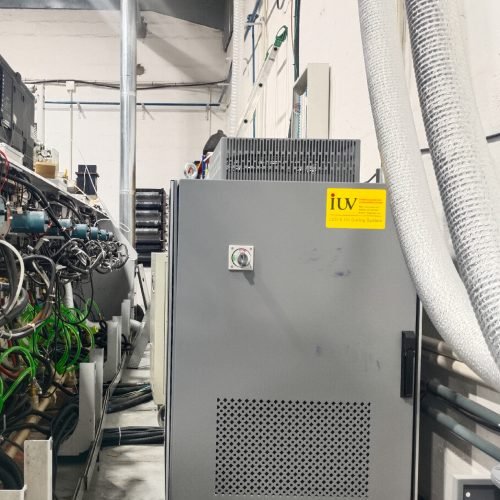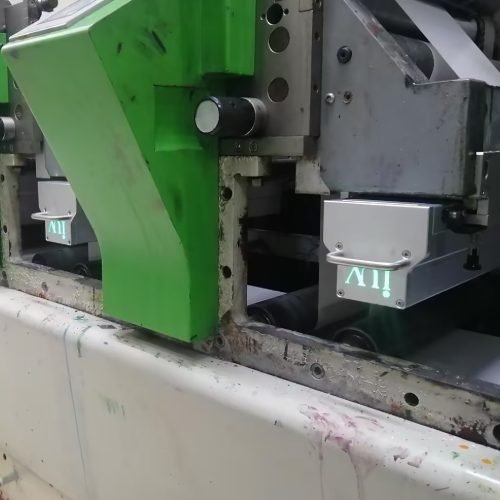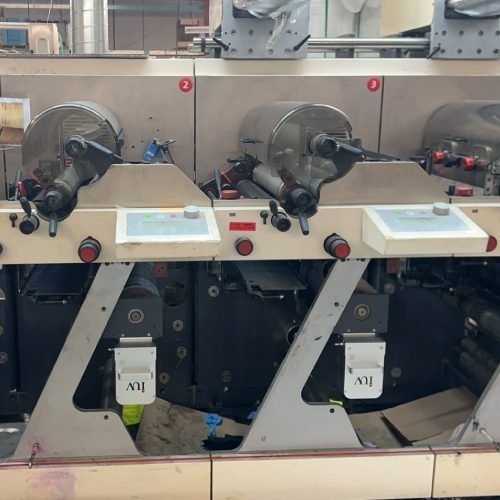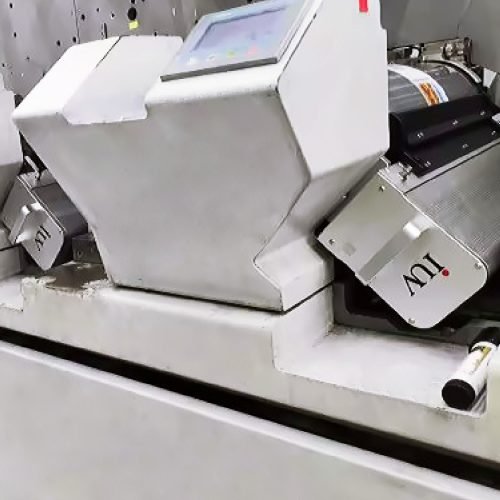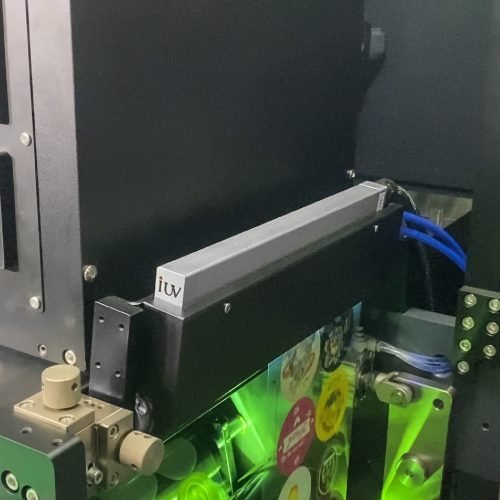
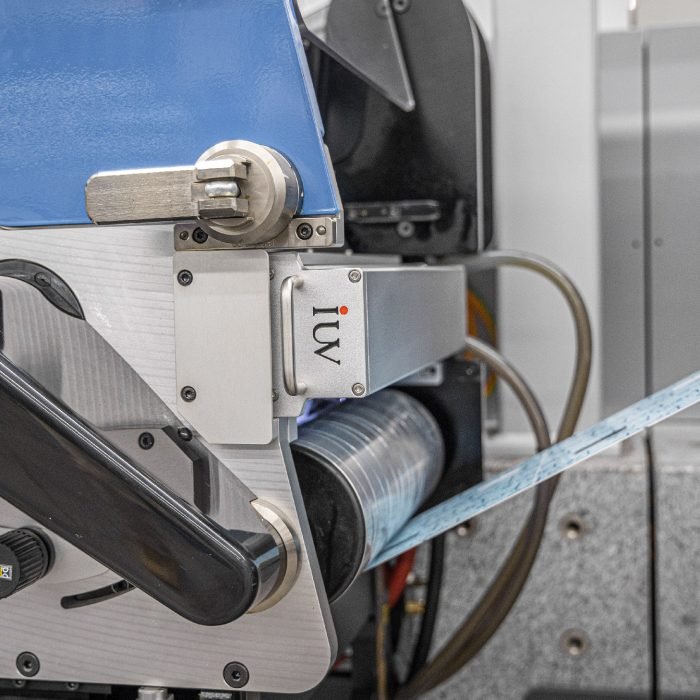
L’impression flexographique LED UV révolutionne le secteur de l’étiquetage. Elle offre une alternative écologique et économique aux méthodes traditionnelles. Cette technologie se distingue par sa capacité à réduire significativement la consommation d’énergie. C’est une avancée majeure pour l’industrie de l’impression, en particulier pour le marché de l’étiquette.
L’Impression Flexo : Une Base Solide pour l’Innovation
La flexographie est une technique d’impression parLet’s dive into how LED UV flexo printing is making waves in the label printing world. It’s a fantastic innovation that’s really changing the game, especially when it comes to being more energy-efficient and eco-friendly.
Flexo Printing: A Foundation for Innovation
Flexography itself has always been a go-to for high-speed, high-volume label printing. It uses flexible printing plates and is well-suited for a variety of substrates, from paper to plastic films. Its speed and adaptability make it a core technology for many label converters. However, traditional UV curing systems, while effective, come with their own energy demands.
The Rise of LED UV Curing Technology
This is where LED UV curing steps in. Instead of using conventional mercury vapor lamps, LED UV systems emit ultraviolet light in a much more focused spectrum. This has several key advantages.
First, energy efficiency is a massive win. LED UV lamps consume significantly less power than traditional lamps. They only use energy when they are actively curing ink, unlike mercury lamps that require a warm-up period and continuously consume power. This translates directly into lower electricity bills for printing businesses.
Second, longevity and reduced maintenance. LED UV lamps have a much longer lifespan, often tens of thousands of hours, compared to the few thousand hours of mercury lamps. This means less frequent replacement and less downtime for maintenance. It simplifies operations and reduces the need for spare parts.
Third, environmental benefits. Lower energy consumption means a smaller carbon footprint. Additionally, mercury lamps contain hazardous materials, and their disposal is regulated. LED UV systems are mercury-free, making them a safer and more sustainable choice for the environment.
Benefits for Narrow Web Printing and Label Production
The narrow web sector, which is the backbone of label printing, benefits immensely from this technology. Narrow web presses are designed for producing self-adhesive labels, flexible packaging, and other small-format printed materials. Integrating LED UV curing into these presses offers:
- Faster Curing Speeds: LED UV allows for very rapid ink curing. This means that labels can be printed at high speeds, and immediately handled, cut, or finished without smudging. This boosts overall production throughput.
- Lower Heat Emission: Traditional UV lamps generate a lot of heat. This can be problematic for heat-sensitive substrates commonly used in label printing, like certain plastics or thin papers. LED UV lamps emit very little heat, making them ideal for a wider range of materials and preventing substrate distortion or damage.
- Improved Print Quality: The precise wavelength of LED UV light can lead to excellent ink adhesion and vibrant colors. It allows for the use of thinner ink layers, which can reduce material costs and enhance fine detail in graphics and text.
- Reduced VOCs: Many modern UV inks cured with LED technology are formulated to be low in Volatile Organic Compounds (VOCs), contributing to a healthier working environment and reduced air pollution.
Comparing with Other Printing Methods
While offset printing (lithography) is excellent for high-quality, large-run jobs, and is also adopting UV curing technologies, flexography, particularly with LED UV, remains dominant for the speed and cost-effectiveness required in label production. Offset presses often require more setup time and are not as adaptable to the wide variety of substrates and finishes needed for diverse label applications. Digital printing offers great flexibility for short runs and variable data, but for medium to long runs, flexo still often holds the cost advantage, and LED UV enhances that advantage with its efficiency.
Sustainability and Durability
The “durability” aspect of LED UV printing is twofold. Firstly, the printed labels themselves are durable, resistant to scuffing, chemicals, and fading due to the robust curing process. Secondly, the LED UV system itself is durable and long-lasting, requiring less frequent replacement and contributing to the overall sustainable operation of the printing press.
By adopting LED UV technology, label printers can achieve:
- Reduced Operational Costs: Lower energy bills are a direct saving. Reduced maintenance and fewer lamp replacements further cut costs.
- Increased Production Capacity: Faster curing allows for higher press speeds and less downtime.
- Enhanced Environmental Profile: Lower energy use, mercury-free operation, and potential for low-VOC inks all contribute to a greener image.
- Greater Versatility: The ability to print on a wider range of substrates without heat-related issues expands business opportunities.
The Future is Bright (and Energy-Efficient)
The trend towards sustainability is undeniable. Consumers and brand owners are increasingly demanding eco-friendly packaging and labels. Printers who invest in technologies like LED UV flexo printing are not just staying competitive; they are positioning themselves as leaders in a more responsible and efficient future for the printing industry. This innovation offers a tangible way to “réduire la consommation d’énergie” while enhancing print quality and operational efficiency in the demanding world of label production. It’s a smart move for any label printer looking to optimize performance and embrace a more sustainable business model.